The musée Matisse is co-producing a special exhibition presented at the Philadelphia Museum of Art until 29 January 2023.

Photo © Philadelphia Museum of Art – Joseph Hu
The musée Matisse in Nice, the Philadelphia Museum of Art and the musées d’Orsay et de l’Orangerie in Paris, have joined forces to organise an exhibition dedicated to the work of Matisse produced during the 1930s, including the artist’s contribution to the magazine Cahiers d’Art.
In 1930, Matisse left France for a trip to the United States and then Tahiti, in so doing voluntarily marking a turning point or even a break in his work. The completion of the great decorative work La Danse for the Barnes Foundation marked in the painter a renewed reflection on decoration, synthesis and monumentality. During this decade, Matisse would reset the foundations of his art, reformulate, radicalise his formal creative processes and successfully reinscribe his work at the very heart of the great current of ideas that drive artistic development forward.
The “Matisse in the 1930s” exhibition opened its doors on 20 October at the Philadelphia Museum of Art and can be visited until 29 January 2023. Among the masterpieces from public and private collections around the world, visitors can admire loans from the collection of the musée Matisse in Nice, in particular the large-format Nymphe dans la forêt (La Verdure) and Tahiti I, and an exceptional set of preparatory works for Barnes’ La Danse.

Photo © Philadelphia Museum of Art – Tim Tiebout
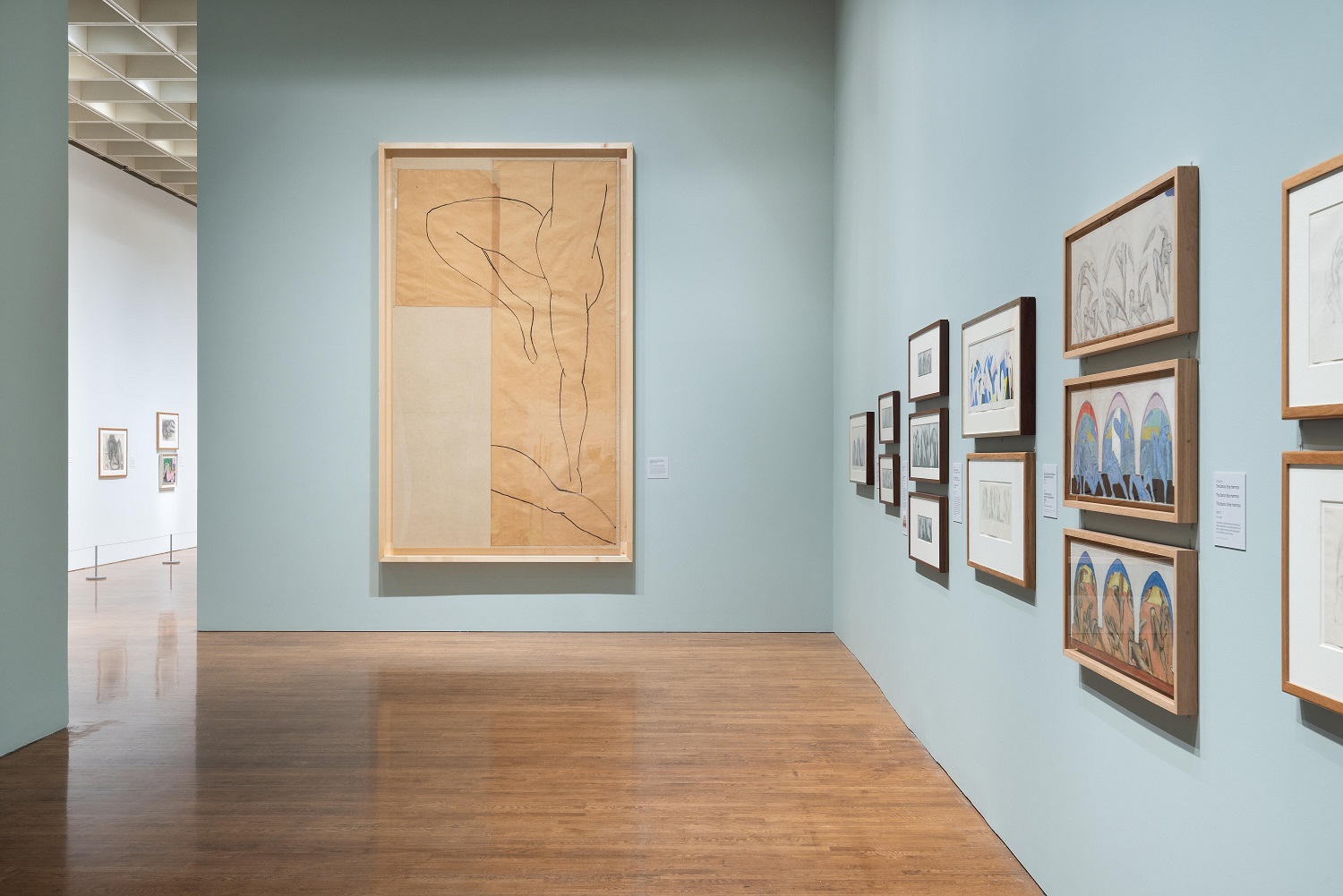
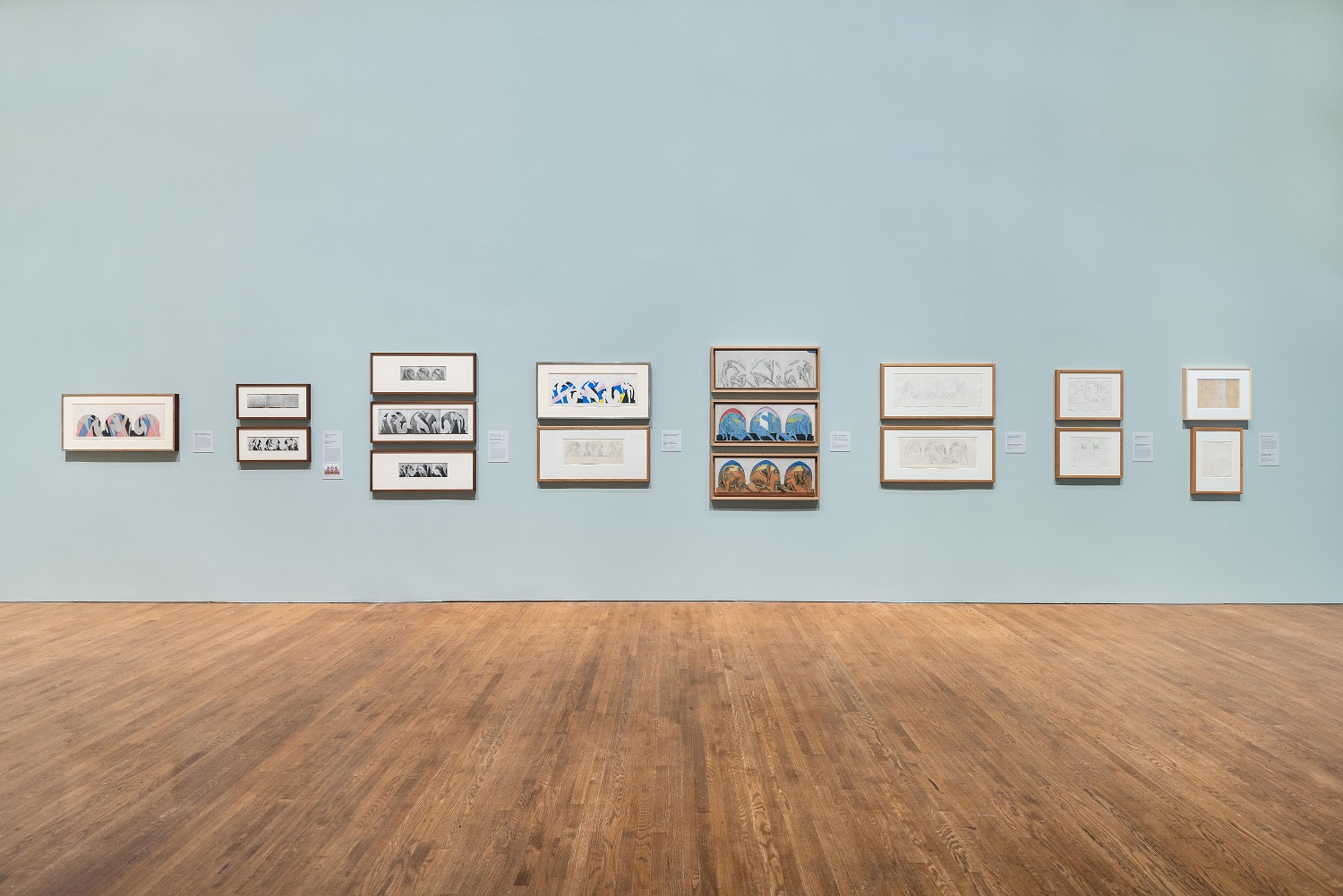
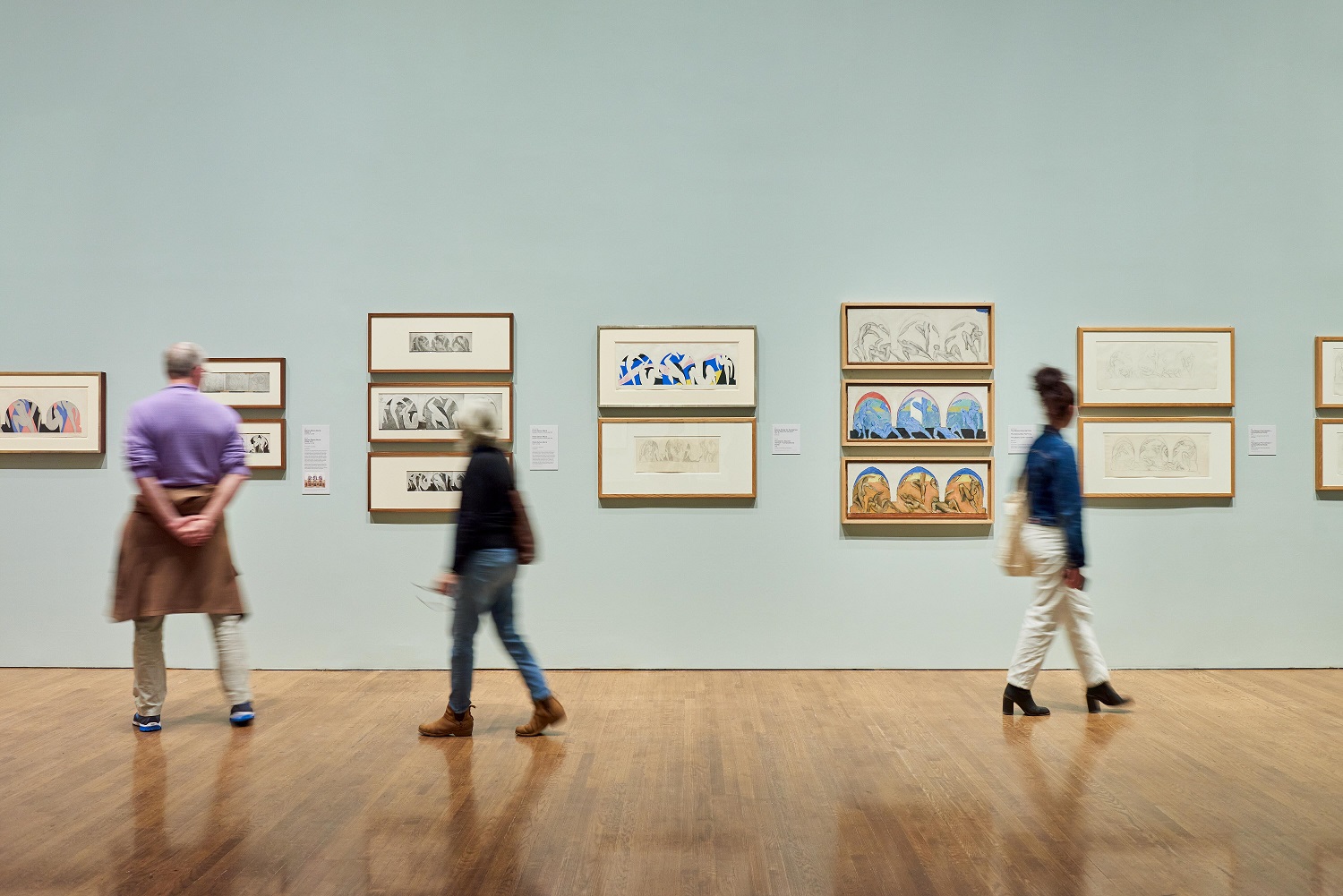
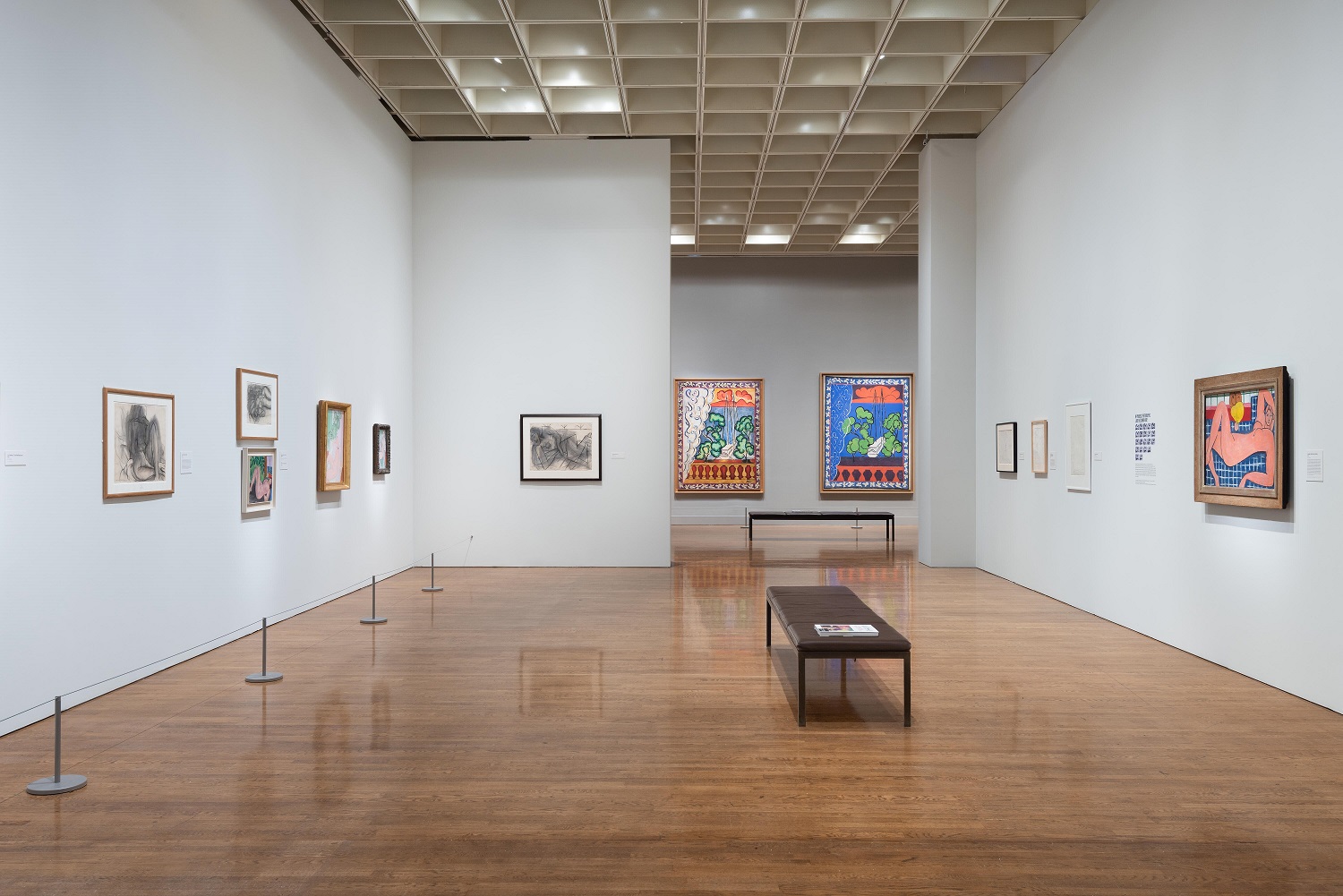
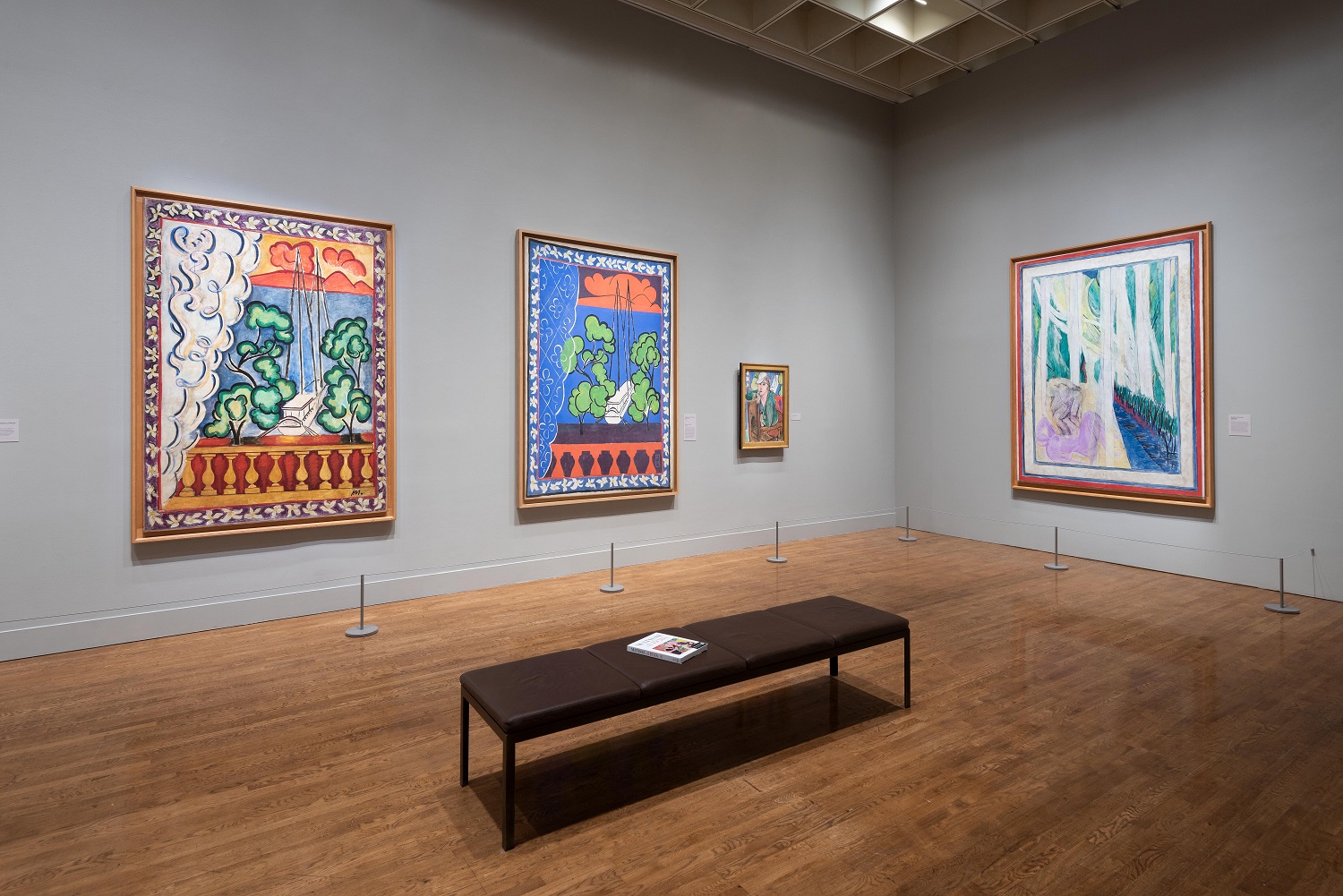
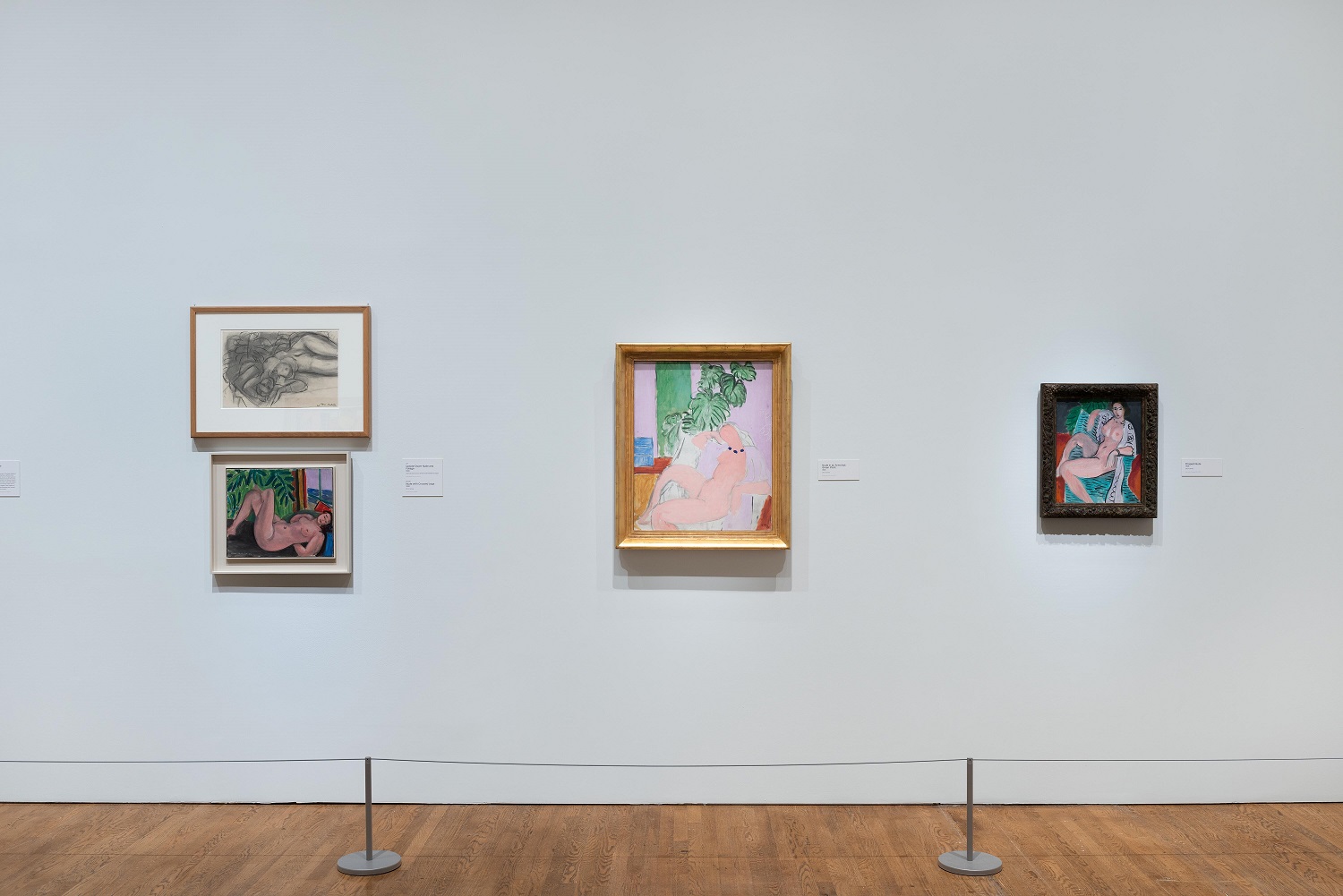
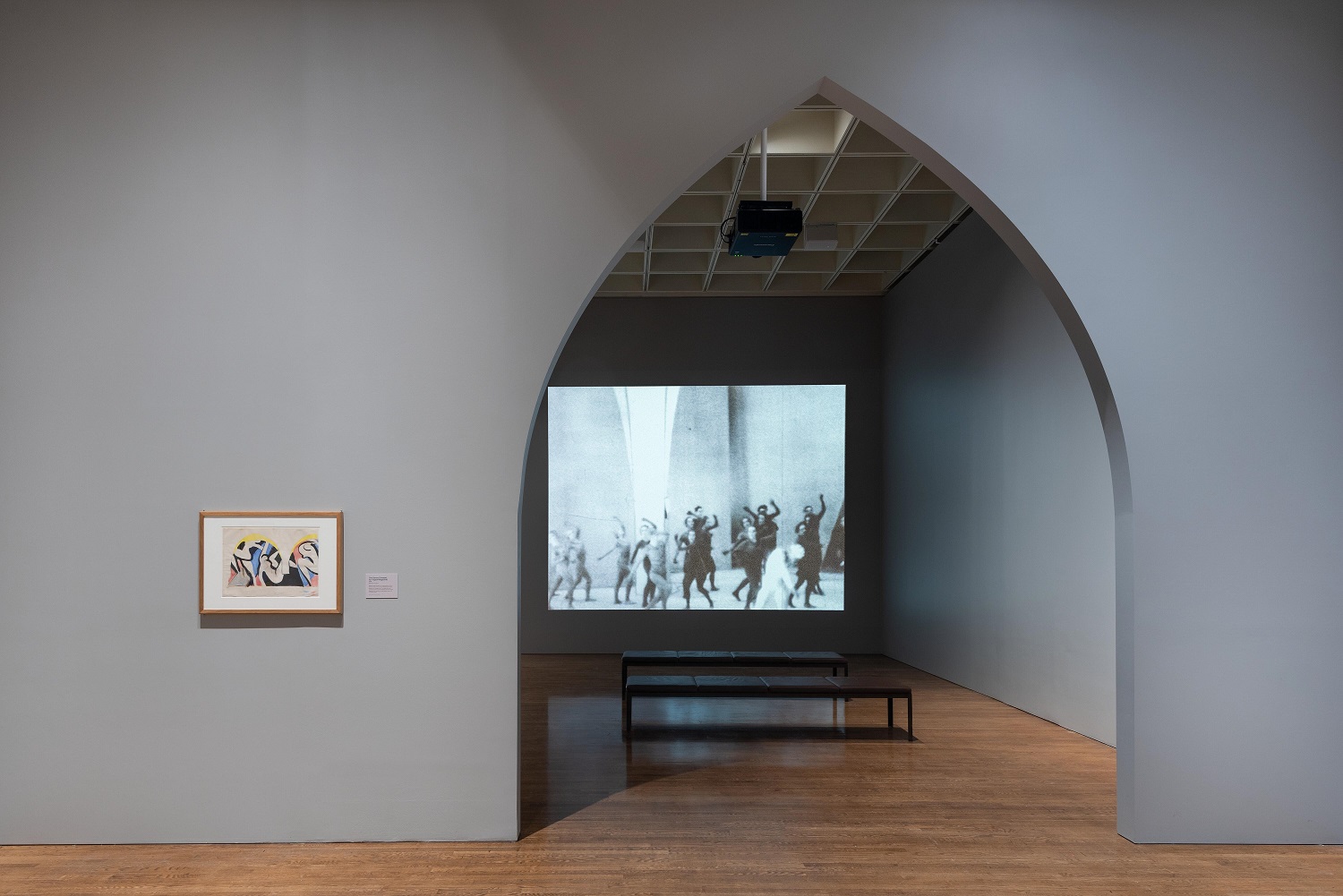

Photos © Philadelphia Museum of Art – Joseph Hu & Tim Tiebout
The exhibition will then be shown in Paris, at the musée de l’Orangerie, then in Nice, at the musée Matisse, from 23 June to 24 September 2023. This ambitious project, a major attraction, will mark the sixtieth anniversary of the museum.
In its French version, the exhibition looks back on this decisive decade in that it would determine the years to follow and put Matisse back on the international art map during the inter-war period. This repositioning happened emblematically through the art journal Cahiers d’art, founded by Christian Zervos, a spokesperson for modernism. It is through the prism of Cahiers d’art that Matisse’s work is explored during the 1930s, following a path dictated by the themes developed by the journal, in particular Matisse’s relationship with the international avant-garde from Picasso to Mondrian, Miró and Kandinsky, his dialogue with surrealism, and the importance of the model of extra-Western and archaic arts.
A key player in this project, the musée Matisse and its team have been working for over five years to put this exhibition together. Alongside colleagues from the Philadelphia Museum of Art and the musée de l’Orangerie, it has contributed to the design of the project, within an international team, the production of its catalogue, and has carried out a major logistical operation linked to the installation of the works from its collection in the United States.