Filter by period:

1934-1935

Returns to painting with L’Intérieur au chien.
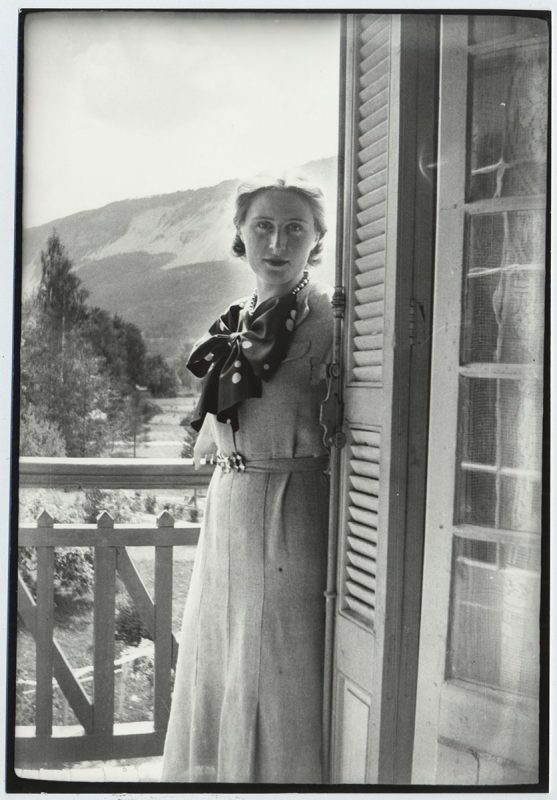
Lydia Delectorskaya, a 24-year-old Russian immigrant, becomes his model and then his assistant.
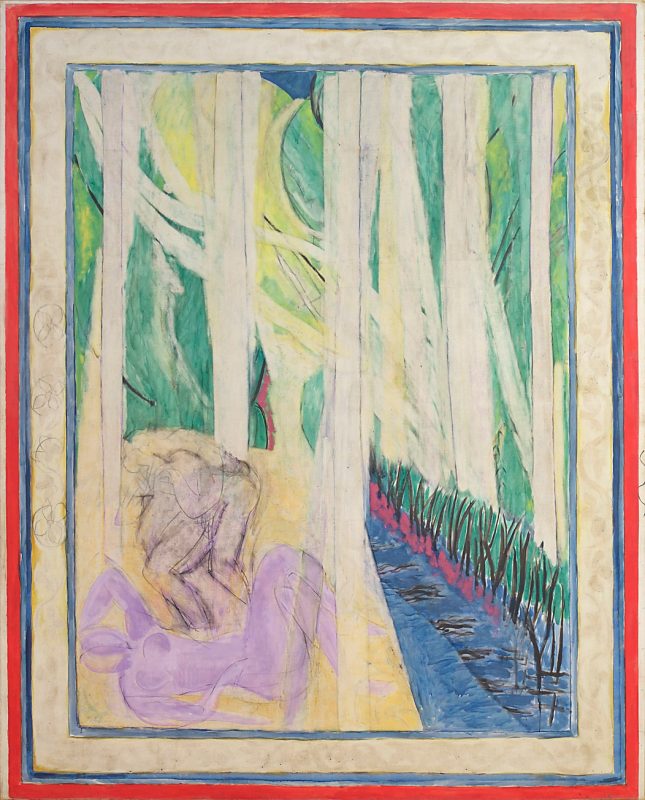
Tapestry projects with Marie Cuttoli, Tahiti I (also called Papeete-Tahiti and Fenêtre à Tahiti) et Tahiti II, Nymphe dans la forêt (La Verdure).
1936-1937

Introduces the Romanian blouse theme and various recurring fashion accessories in his paintings : dresses, hats and jewels.
1936: first contract with Paul Rosenberg, his main dealer until 1939.
1937: the City of Paris acquires the first version of La Danse, presented in 1939 in the Palais de Tokyo.

1938-1939

Buys a flat in the former hôtel Régina in Nice.
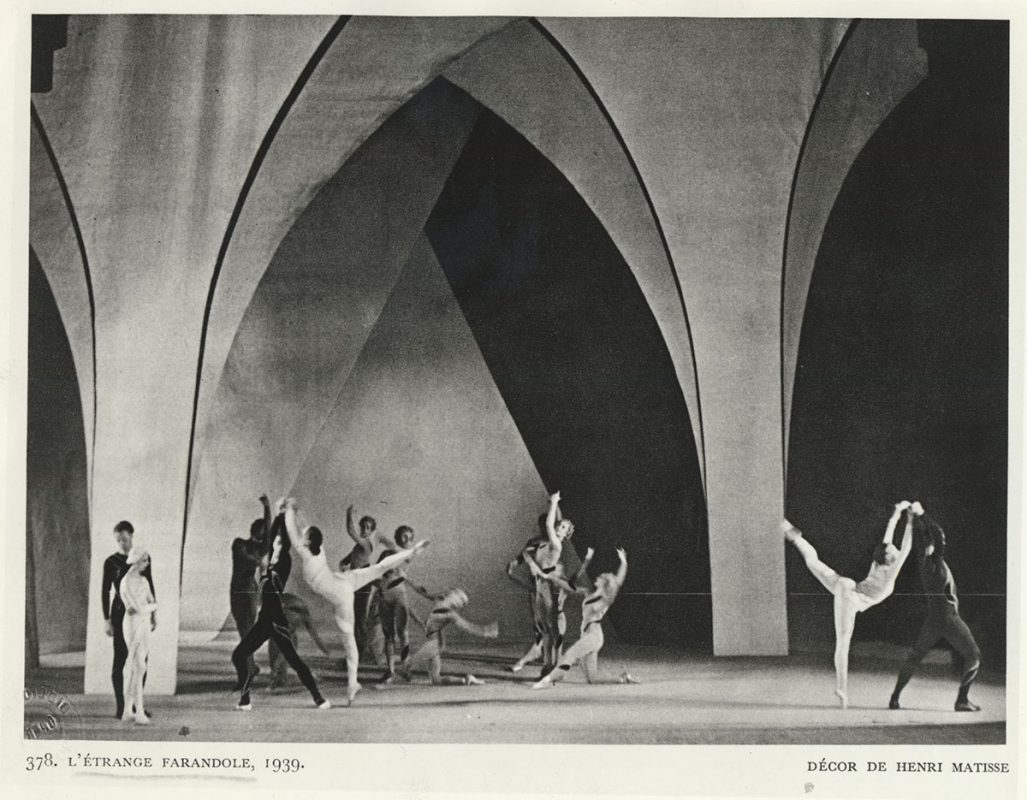
Designs the sets and costumes for L’Étrange farandole for the Ballets Russes of Monte-Carlo.

1939-1940

After the outbreak of war and the armistice, does not wish to leave France and returns to Nice.

Paints La Blouse roumaine, Le Rêve, and compositions with objects on a neutral background, Nature morte au coquillage, Nature morte au magnolia (1941).

1941-1942

Undergoes surgery for duodenal cancer in Lyon and nearly dies of complication.
Is often confined to bed. Focuses on serial drawings and publishes the book Thèmes et Variations with a preface by the poet and resistance fighter Louis Aragon whom he met in Nice in December 1941.
Monique Bourgeois, Matisse’s nurse and model, becomes Sister Jacques-Marie in 1944. 

1943

In late June, moves to the villa Le Rêve in Vence. Using his cut-out technique, works on the illustrations for the book Jazz published by Tériade.

1944

Illustrates the Fleurs du Mal by Baudelaire. Marguerite Duthuit (his daughter) and Amélie Matisse are arrested for their participation in the Resistance.

1945

Returns regularly to Paris. Retrospective exhibition at the Salon d’Automne and presentation of his recent works at the Maeght gallery. In the Vence studio, Jean Cassou selects seven paintings bought by the French State.

1946-1947

Starts developing his series of Vence Interiors, his last major achievement as a painter.
Works on two large silkscreens for Zika Ascher – Océanie, le Ciel and Oceanie, la mer – using paper cut-outs.

1948-1949

Moves back to the Régina.
Is asked by the Dominican nuns of Vence to design the Chapelle du Rosaire, for which he creates stained glass windows, ceramic tiles mural, furniture and liturgical garments. The chapel is consecrated on 25 June 1951.
His paper cut-outs are shown for the first time in an exhibition at the National Museum of Modern Art in Paris.

1950

Makes large paper cut-outs, Zulma, Les Bêtes de la mer, Les Milles et Une Nuits.

Exhibition at the Galerie des Ponchettes in Nice, a foundational gesture which is part of Matisse’s project to open in Nice a museum of modern art whose collection would be built around his work.

Is awarded first prize at the Venice Biennale.