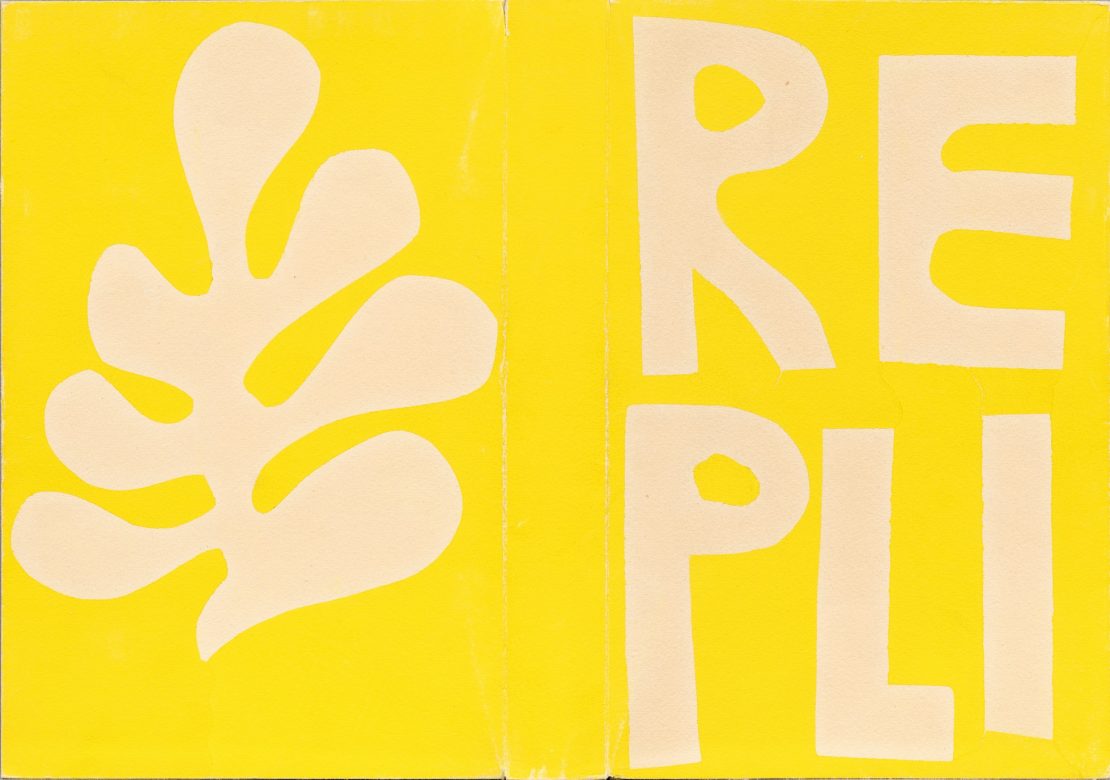
André Rouveyre, Henri Matisse, "Repli", éditions du Bélier, Paris, 1947
Couverture réalisée au pochoir d'après une gouache découpée d'Henri Matisse
© Succession H. Matisse / Photo © François Fernandez
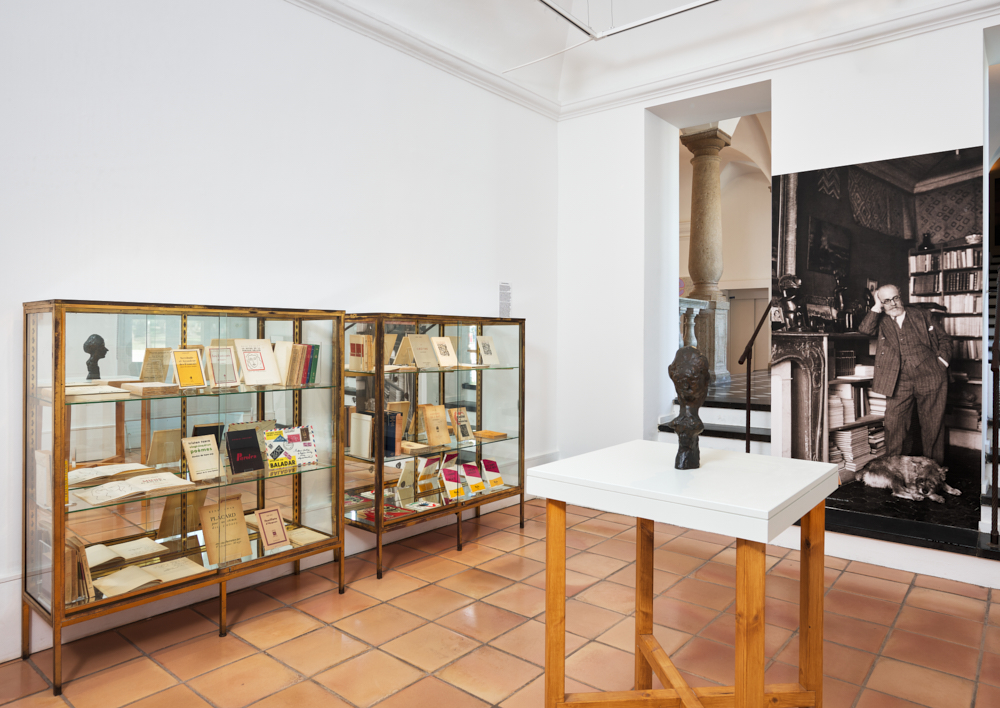
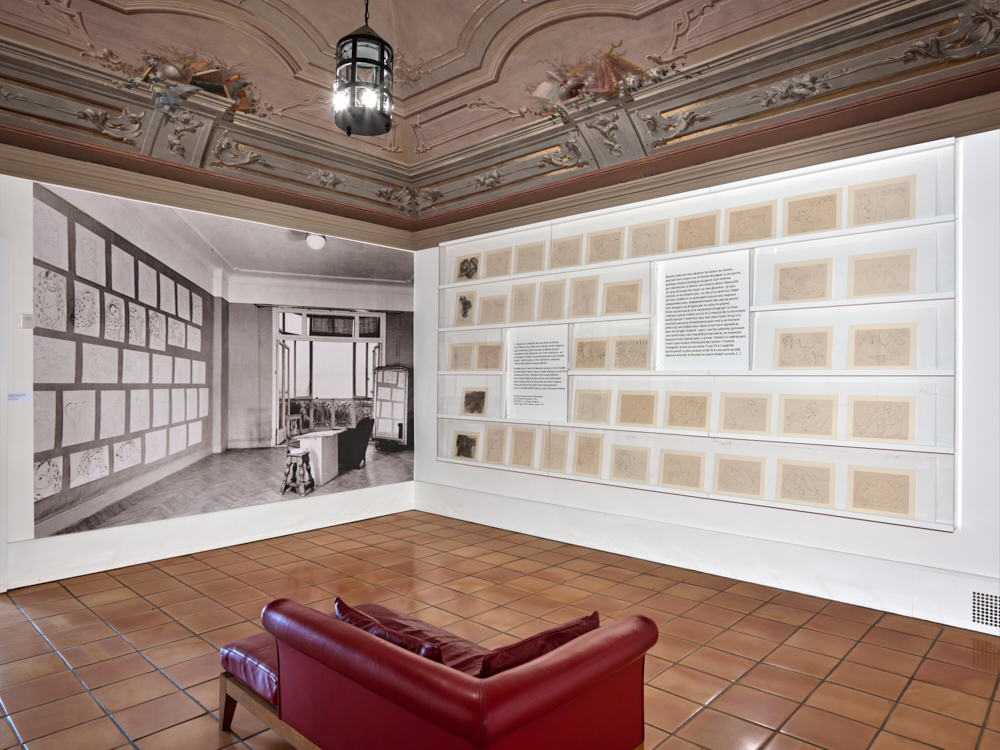
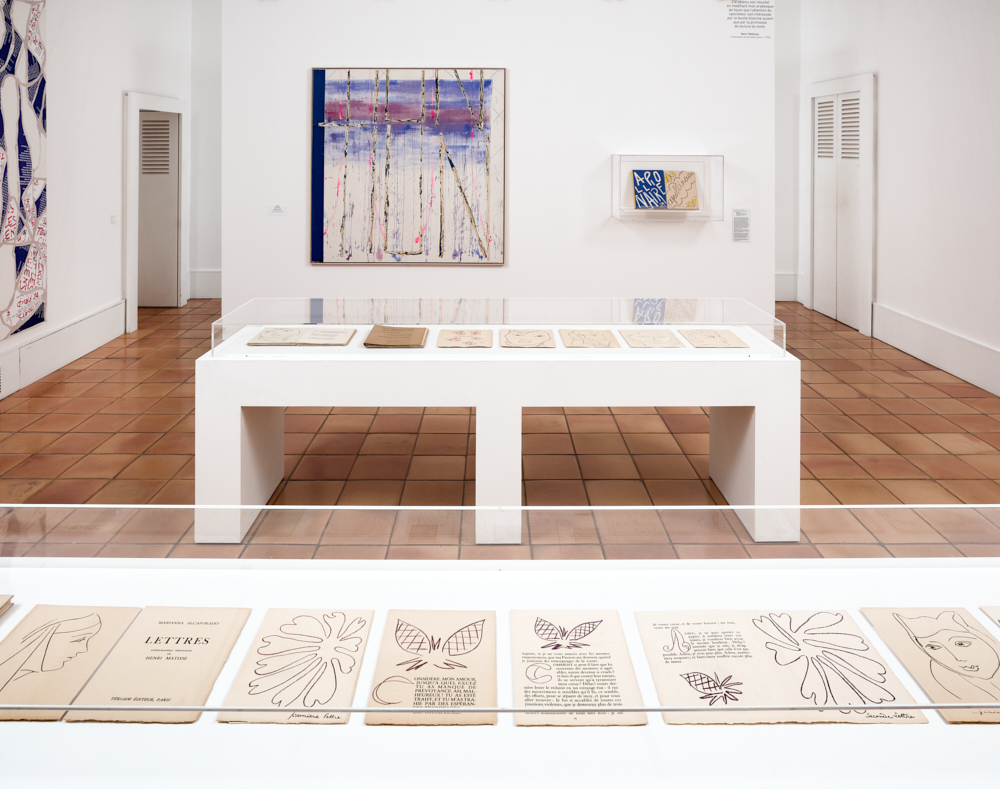
On the occasion of the exhibition Agnès Thurnauer. See you at yours, a special emphasis is placed on Henri Matisse’s illustrated books, a part of his work which is still largely unknown.
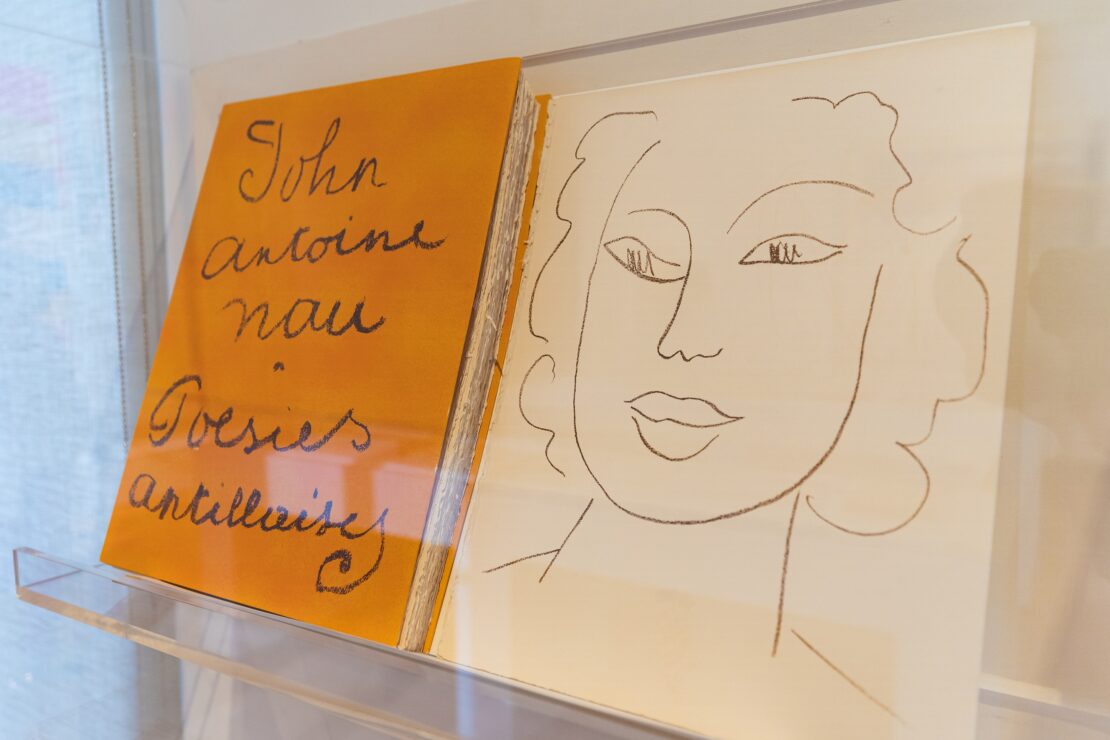
Henri Matisse established himself as one of the major « painter-illustrators » of the 20th century even if he started working on book illustration projects quite late in his career. He first received a commission to illustrate Mallarmé’s Poésies in 1930 and then James Joyce’s Ulysses in 1935, before fully dedicating himself to this activity after his 1941 surgery. He made 11 books between 1942 and 1952. Matisse was a great reader, well acquainted with literary circles since his early days in Paris. He was also a book lover as shown by his large library at the Régina which included a few beautiful editions he bought from art dealers in Paris and in Nice.
Most of Matisse’s illustrated books are (or have become) luxury books, aimed at art collectors, bibliophiles and museums. He designed them in their entirety, choosing the appropriate medium (linocut, lithography, photolithography), typography and typeface for each publication. The repeated reading of the texts he selected himself, triggering free association, also helped him to find the right visual framework and decoration.
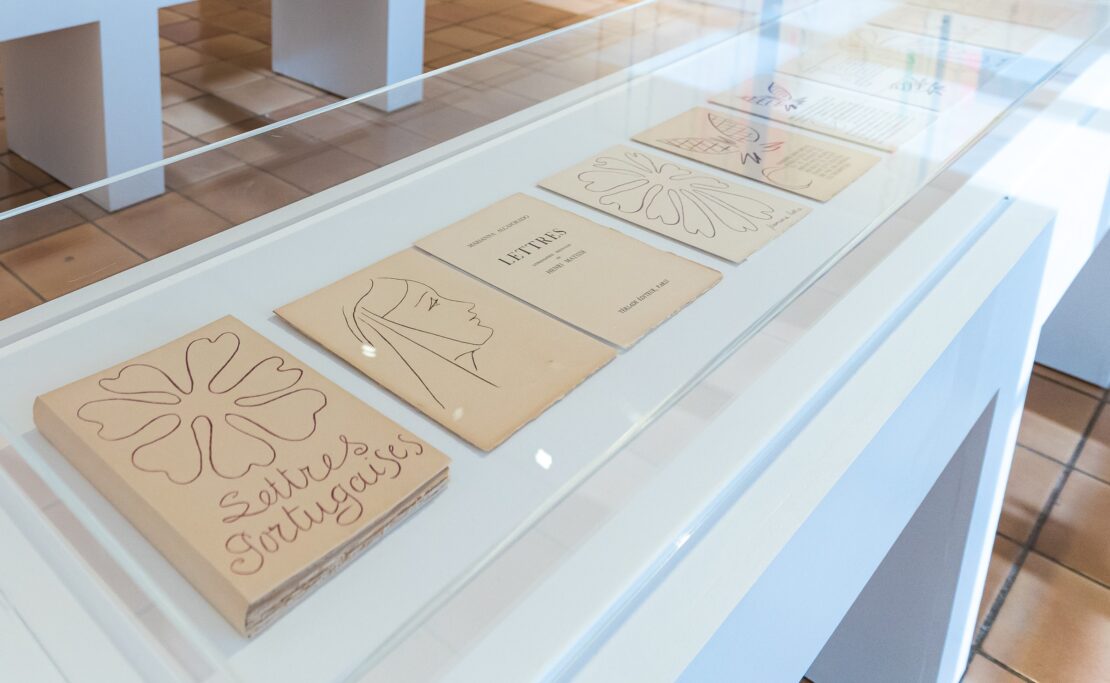
He adapted his approach to each new book, constantly reinventing himself as he tried to find a plastic equivalent of the text with which he was working. The ancient and Mediterranean atmosphere of Montherlant’s Pasiphae (1943) is, for instance, reflected in the dark tone of his linocut illustrations. The sensuality of the love sonnets in Florilège des Amours de Ronsard (1948) matches the delightful lines of the lithographs of faces, embraces and floral ornamentation which adorn the pages. In the Lettres portugaises (1946), the richness of the decorative motif inspired by nature beautifully translates the nun’s love.
Both its themes – the circus and the lagoon – and the duality of its layout distinguishes Jazz (1947) from the rest of Matisse’s illustrated books. Its architecture is characterised by the harmonious opposition between the calligraphy of the black ink, handwritten text and the colour plates made up of cut-outs which all have a specific colour scheme. Matisse achieved the same architectural balance when he designed the Vence Chapel where the black and white ceramic murals contrast with the stained glass windows, the two elements being in permanent dialogue with one another.
Each of Matisse’s books creates its own space, light and atmosphere and moves us as powerfully as his paintings and large paper cut-out compositions. He himself said : « I make no difference between the construction of a book and that of a painting. » (« How I made my books », 1946)