The Matisse Museum is involved in the project led by the Institut National d’Histoire de l’Art (INHA) to map objects from Africa and Oceania present in French public collections.
The “World in a museum” map was created by the Institut National d’Histoire de l’Art as part of the Vestiges, indices, paradigmes : lieux et temps des objets d’Afrique (XIVe-XIXe siècle) project set up by Claire Bosc-Tiessé in 2017. The Angoulême Museum is its main partner, itself home to one of the most important collections of objects from Africa and Oceania in France. This map is designed as a research tool and bridge between museums and research institutions.
The musée Matisse joined the project in 2021
Inaugurated in 1963 in Villa des Arènes, not far from the former residence of Henri Matisse (1869-1954), the musée Matisse exhibits works by the painter donated by himself or his heirs over several decades after his death. The collection also includes more than 130 objects from Henri Matisse’s personal collection, including a number of African and Oceanian works of art. These are now listed in this first inventory, which will be further enriched as research progresses.
African objects
The family donations (to which we should add an object donated by Michel Gaudet) include some of the African items or objects produced in Africa that Henri Matisse had acquired and sometimes used in his paintings from 1906. The museum now has fourteen such objects. These items are very diverse in nature: north-African pedestal tables, including one in the Napoleon III style produced in North Africa, an armchair from the same source as well as embroidery. From 1918 and into the 1920s, Matisse had acquired, notably from the Belgian merchant Henri Pareyn, five woven raffia fabrics (from the Kongo area, some called kuba in the museum’s inventory, but not exclusively). Some illustrate articles from the Cahiers d’Art published by Christian Zervos in 1927. Also from Central Africa, he also had a mboom kuba mask (which had previously belonged to Vlaminck), and a lintel with a sculpted head from the same region, known as pende (current Democratic Republic of Congo). In addition, the Matisse Museum in Cateau-Cambrésis keeps similar objects, also from the painter’s collections.
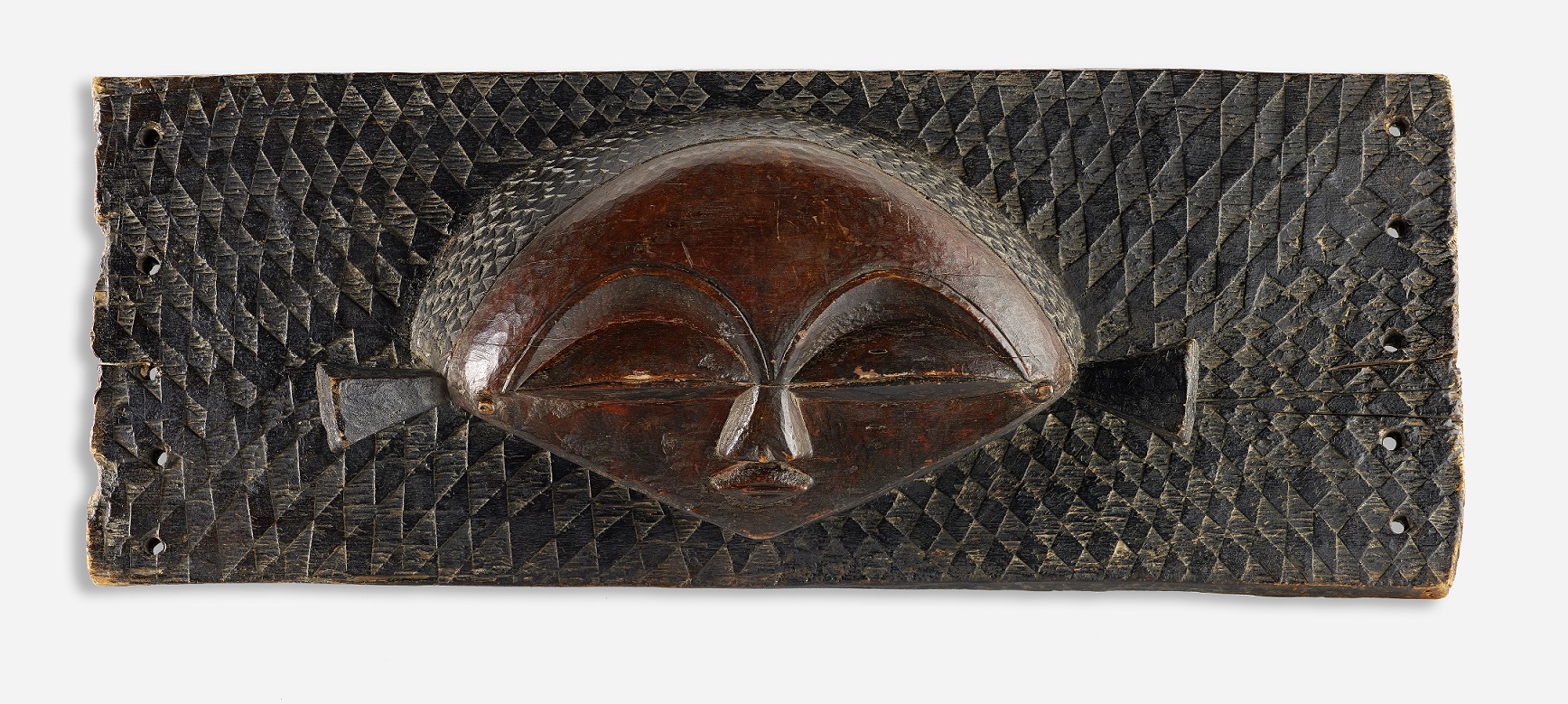
Photo © François Fernandez
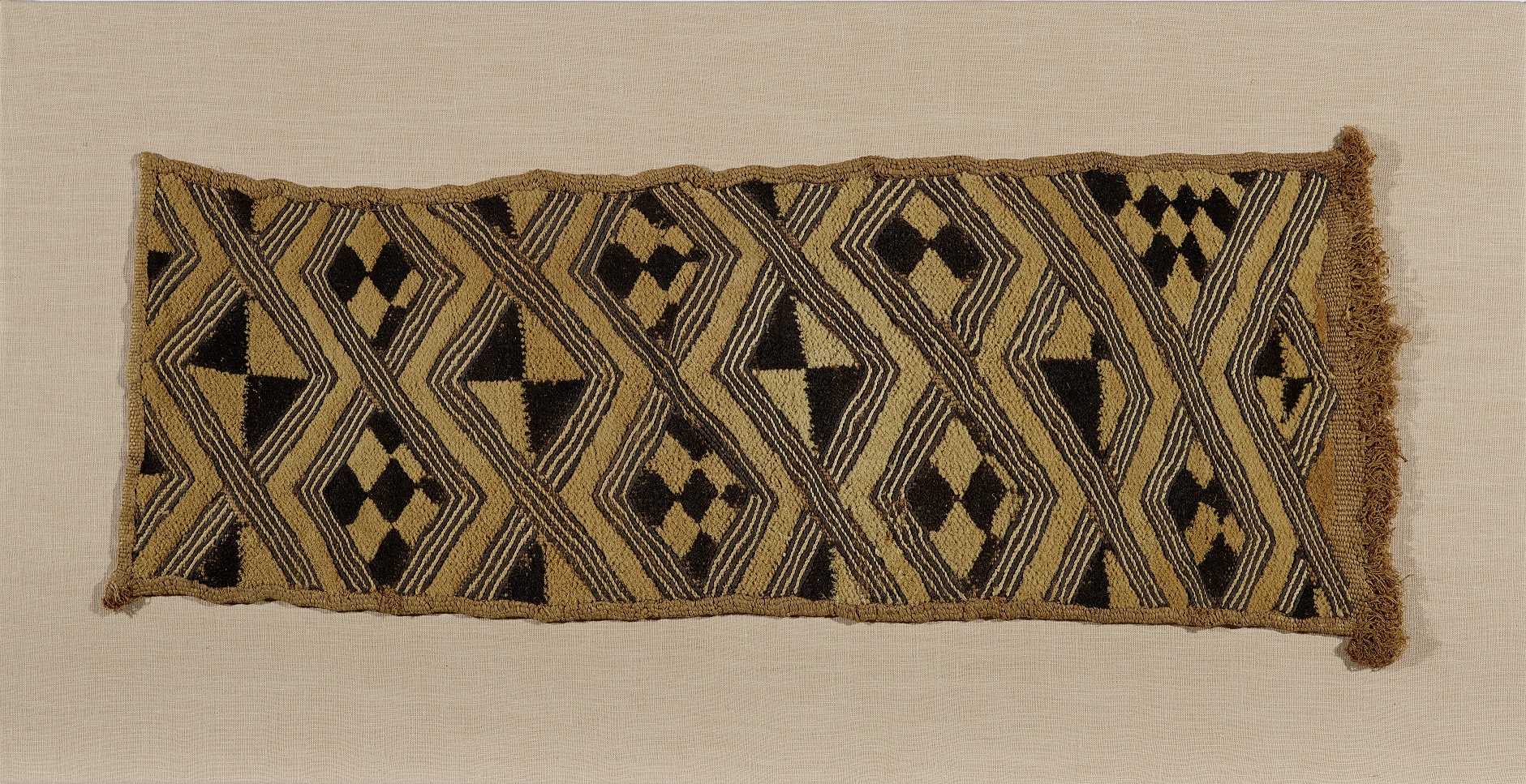
Photo © François Fernandez
Items from Oceania
Family donations from the 1960s (to which we should add a deposit by Barbara Duthuit in 2000) include some of the Oceanian objects Henri Matisse had acquired and sometimes used in his paintings as early as 1906. The museum currently holds five of them. Thanks to the art critic and gallery owner Christian Zervos, in September 1936, he noticed the funerary effigy (malanggan or malagan) of New Ireland from the collection of Paul Éluard. We also find in the Oceania collection a necklace of shells from Tahiti, a necklace from Tasmania (Australia) as well as a tapa and kava dish of unspecified precise origin.

Photo © Ville de Nice – J.V.
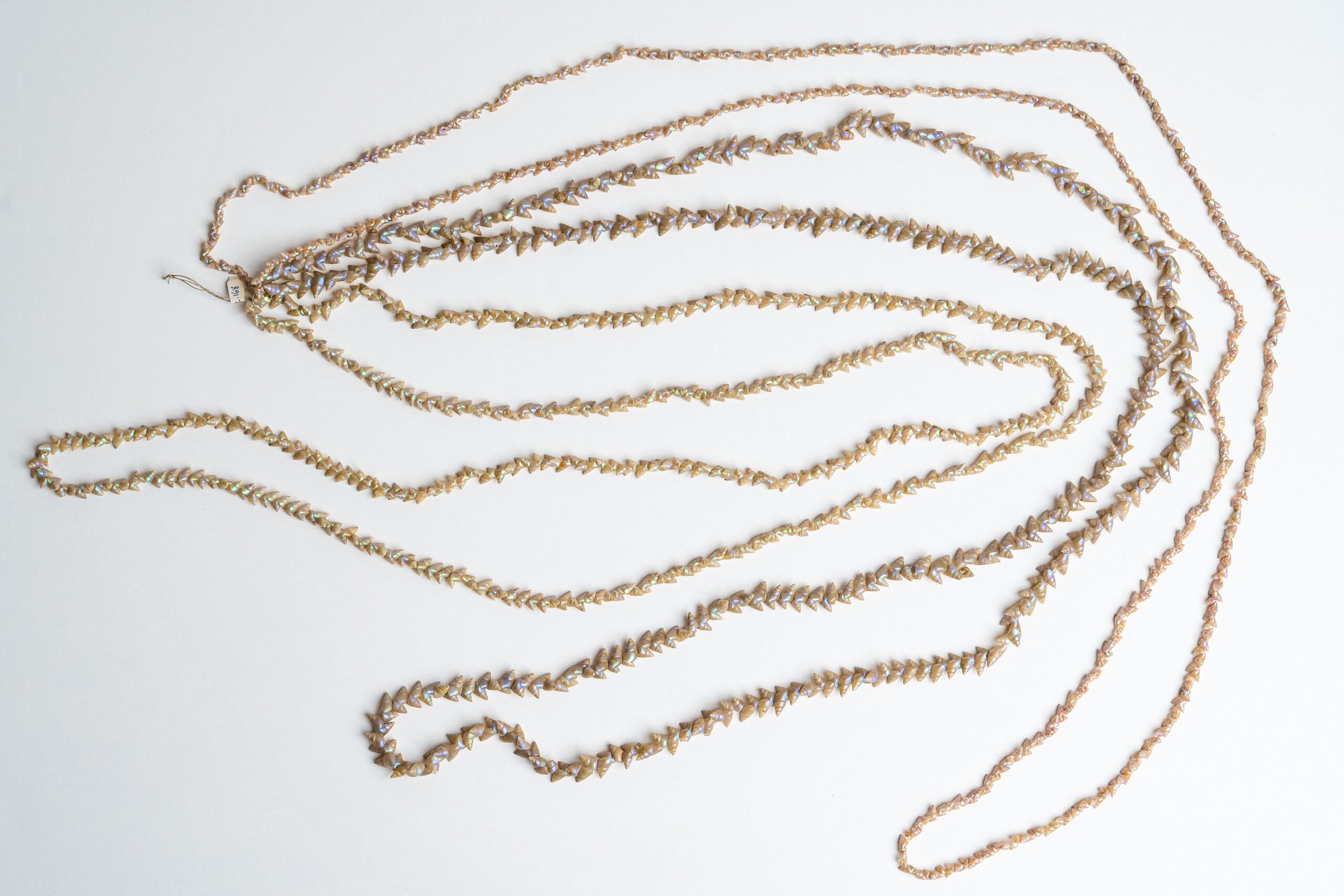
Photo © Ville de Nice – J.V.
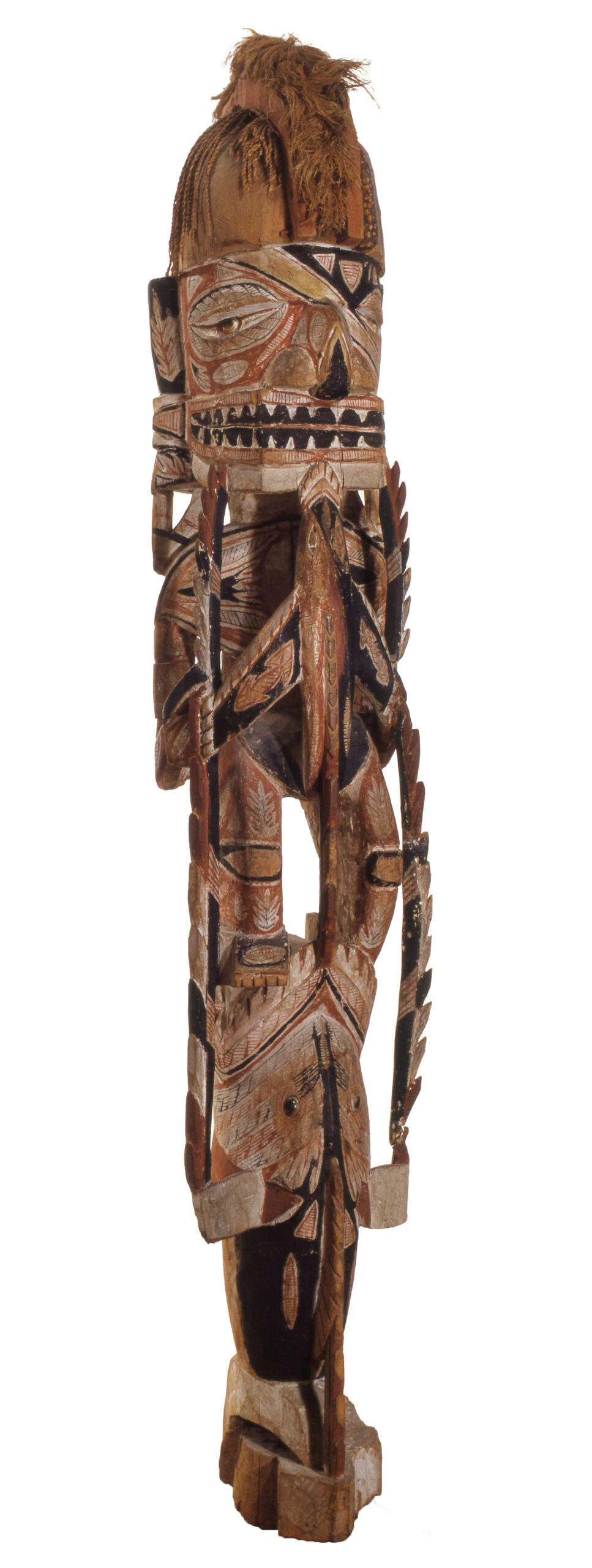
Photo © Ville de Nice